Short answer
Yes, but only on leasehold. Under Article 65 of Kenya’s Constitution, a non-citizen can hold land on a leasehold of up to 99 years, not on freehold. Any freehold or longer lease granted to a non-citizen is treated as a 99-year lease. Agricultural land carries further restrictions under the Land Control Act, so foreigners usually buy residential land or homes.
What does Kenyan law say about foreigners owning land?
Article 65 of the Constitution of Kenya sets the rule:
- A person who is not a citizen may hold land only on the basis of leasehold tenure.
- That lease may not exceed 99 years.
- If a document gives a non-citizen freehold, or a lease longer than 99 years, it is treated as giving a 99-year leasehold instead.
So a foreign buyer can own a house and the land beneath it in Kenya, but as a leaseholder with a fixed term, rather than outright for ever.
Does a company count as a foreigner?
Article 65 treats a company as a citizen only if it is wholly owned by Kenyan citizens. A company with any foreign shareholder is treated as a non-citizen, so it is also limited to leasehold of up to 99 years. Setting up a company does not get around the rule.
What about agricultural land?
The Land Control Act controls dealings in agricultural land, and transactions generally need consent from the local Land Control Board. The Act restricts the transfer of agricultural land to non-citizens, apart from narrow exemptions. In practice, foreign buyers on the coast focus on residential plots and homes in towns and established residential areas. Ask your advocate to confirm the land’s classification before you agree a price.
How does a foreigner buy a freehold property?
Much coastal land is freehold. When a non-citizen buys it, the transaction has to give the buyer a lease of no more than 99 years. How that lease is created and registered depends on the property, and it is your advocate’s job to get it right. Ask them to explain in writing:
- Who the lessor is, and what the lease conditions are.
- When the 99 years start.
- Whether any annual rent is payable.
- What happens to the property if you sell it, or on your death.
Practical steps for international buyers
- Get a KRA PIN. Non-residents need a Kenya Revenue Authority PIN to pay stamp duty and register a transfer.
- Instruct your own advocate. Choose one who is independent of the seller and the agent.
- Do the searches. Run an official title search and have a surveyor confirm the boundaries.
- Use a power of attorney carefully. If someone will sign for you, limit the power of attorney to that one transaction and have it properly registered.
- Pay through traceable bank transfers. Keep records of every payment, and never pay before the search.
- Visit, or send someone you trust. Do not buy a property you or your representative have not seen.
The full process is in our guide to how to buy land in Kenya.
Where do international buyers look on the Kilifi coast?
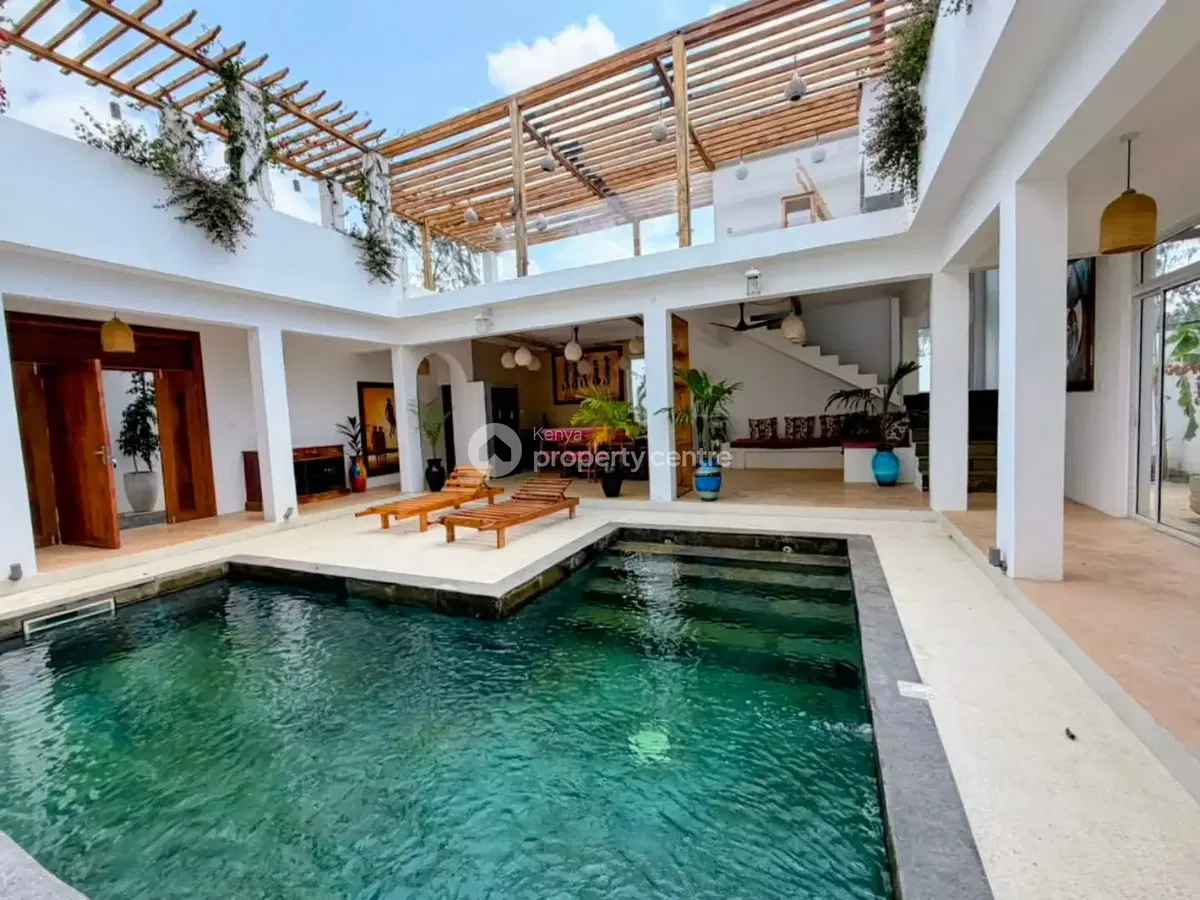
Watamu has long attracted European and other international buyers, many of whom buy finished villas rather than building. In our listings, Watamu homes are advertised from KSh 23,000,000 to KSh 38,000,000.
Watamu, Kilifi County
Watamu two-bedroom villa
KSh 30,000,000Source asking price · whole property
- 0.5 acre
- Home
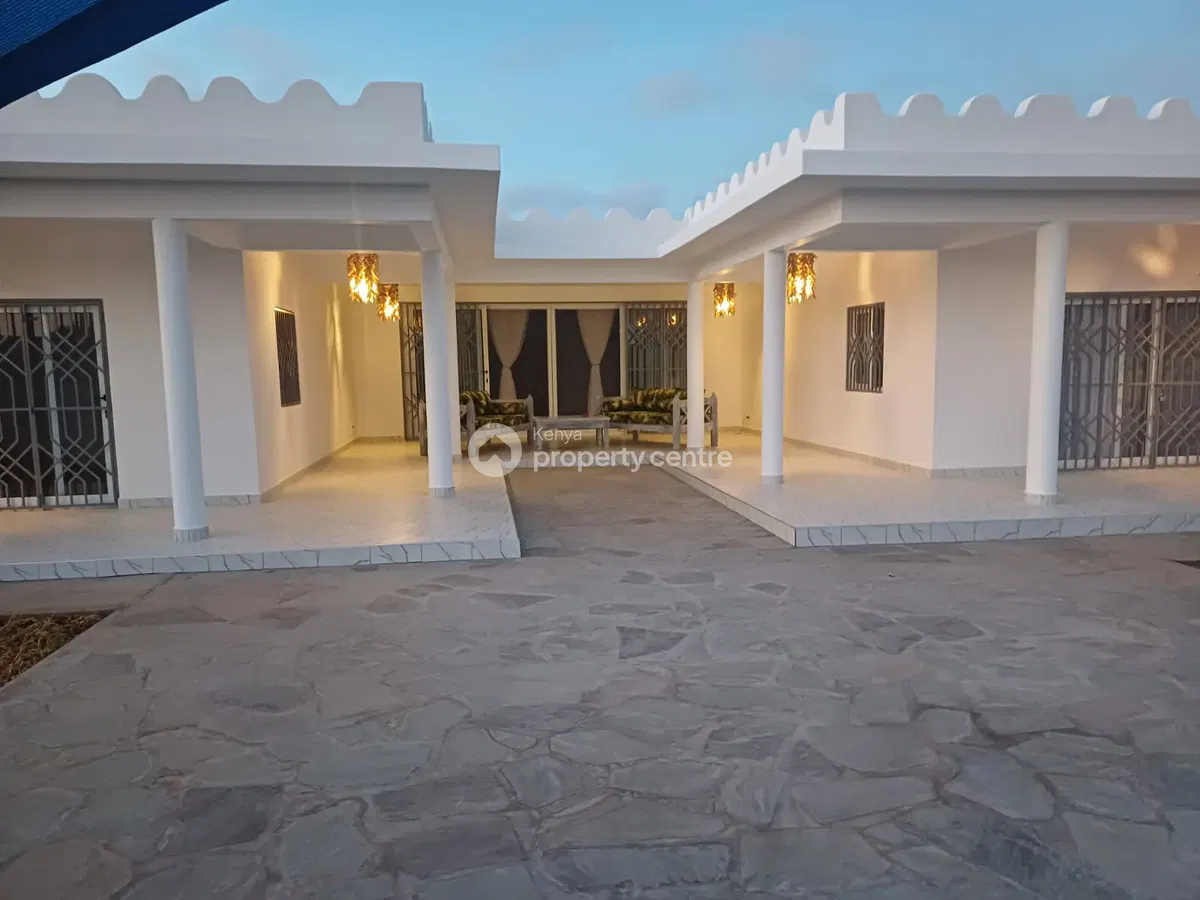
A two-bedroom villa advertised on half an acre, with a large dining area and kitchen. Request the exact location and a viewing.
Watamu, Kilifi County
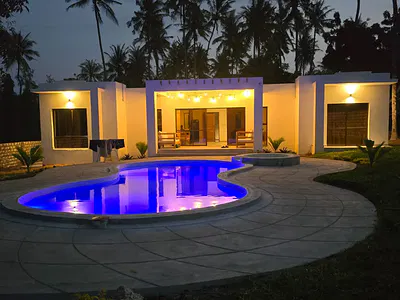
Turtle Bay pool bungalow
KSh 33,000,000Source asking price · whole property
- 0.25 acre
- Home
A three-bedroom bungalow with a swimming pool, staff quarters, generator and water storage. The agent places it about 500 metres from the beach.
Watamu, Kilifi County
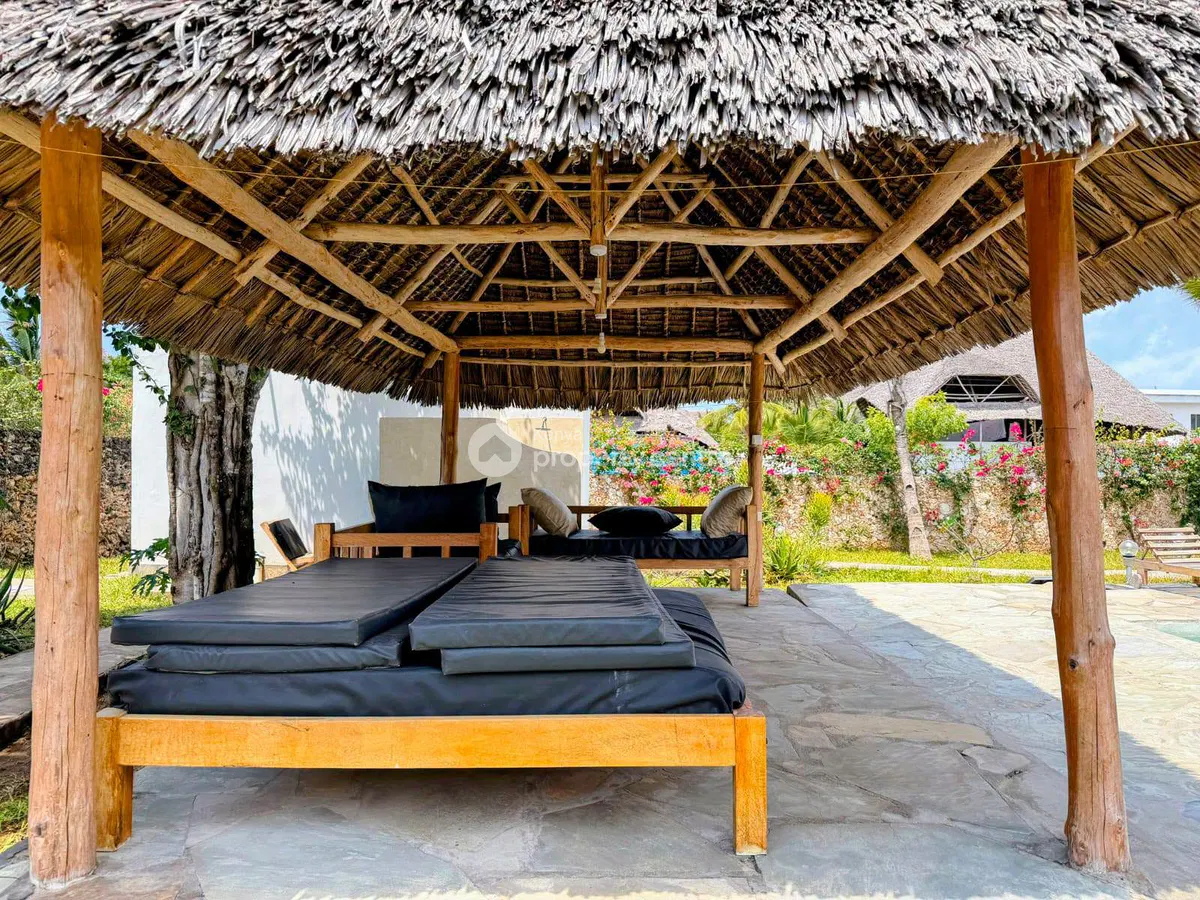
Fragola furnished pool home
KSh 32,000,000Source asking price · whole property
- 0.25 acre
- Home
A furnished three-bedroom home in Paparemo, Fragola, with a private pool, gazebo and staff quarters. Advertised built-up area is 280 square metres.
See houses for sale in Watamu for the full comparison, and the real costs of owning a Watamu villa before you decide.
Frequently asked questions
Can a foreigner own a house in Kenya?
Yes. A foreigner can own a house and hold the land beneath it on a leasehold of up to 99 years. They cannot hold freehold title.
What happens at the end of a 99-year lease in Kenya?
The land reverts to the lessor unless the lease is extended or renewed. Renewal depends on the law and the lessor’s terms at that time. With 99 years, this matters most when you buy an older lease with fewer years left, so check how many years remain.
Can foreigners buy agricultural land in Kenya?
Generally not. The Land Control Act restricts transfers of agricultural land to non-citizens, with narrow exemptions. Foreign buyers typically buy residential land or homes.
Can a foreigner married to a Kenyan own freehold land?
The foreign spouse cannot hold freehold, but the Kenyan spouse can. Joint ownership between a citizen and a non-citizen raises questions that depend on the facts, so take specific legal advice before you buy.
Do foreigners pay more stamp duty in Kenya?
The stamp duty rate depends on whether the property is in an urban or rural area (4% or 2% of the valuation), not on the buyer’s nationality.
This guide is general information, not legal, tax or financial advice. Laws, fees and procedures change; confirm every step with a qualified Kenyan advocate and licensed surveyor before you pay any money. Listing prices are source asking prices and must be reconfirmed with the advertising agent.